What Makes Bullpup Firearms Different?
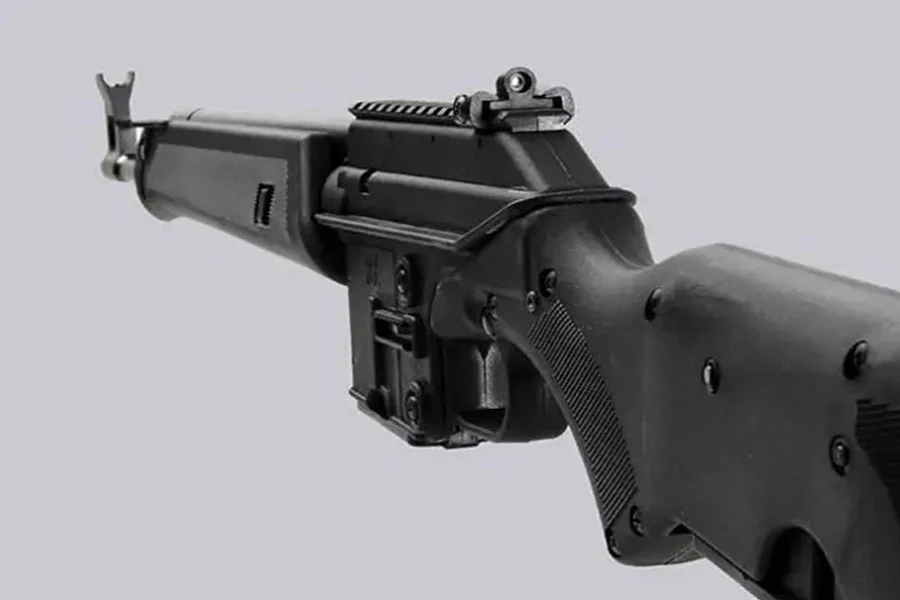
Bullpup firearms stand out due to their unique design, which shifts the action and magazine of the firearm behind the trigger. Unlike traditional rifles and shotguns where the action is placed forward of the trigger, bullpup platforms maximize barrel length while maintaining a compact overall size. This innovative layout makes them substantially shorter without sacrificing performance or range, making them ideal for specific applications such as close-quarters engagements or navigating tight spaces.
One defining characteristic of bullpup firearms is their ability to combine portability with firepower. By repositioning key components, manufacturers can provide users with a full-length barrel in a much smaller package. For instance, a 16-inch barrel on a bullpup rifle may result in an overall length similar to that of an SBR (short-barreled rifle), but without requiring any legal restrictions associated with shorter barrels.
The advantage of this compact design becomes even more apparent in environments such as urban settings or dense woodland areas where maneuverability is critical. A shorter weapon profile allows operators to easily transition around corners, inside vehicles, and through confined spaces while maintaining accuracy and penetration capabilities typically found in longer rifles or shotguns.
Another distinguishing feature lies in how weight distribution affects handling. With most of the mass situated closer to the shooter’s body, bullpups often feel better balanced compared to traditional firearms. This centralized weight distribution can reduce fatigue over extended periods and make aiming more intuitive for many users.
Despite their benefits, bullpups also have distinct challenges that differentiate them from conventional firearms. Their unconventional layout places some controls—like magazine releases or bolt catch systems—in less traditional positions that may require additional training for efficient operation. Ejection patterns can also vary among models, meaning left-handed shooters often need ambidextrous configurations or dedicated variants designed for their needs.
From military operations to home defense scenarios, this design continues to carve out its niche by offering versatility in situations where space-saving features matter most without compromising barrel performance or accuracy.
What Makes Bullpup Firearms Different?
Bullpup firearms are distinct from traditional rifle and shotgun designs due to their unique configuration. The defining characteristic of a bullpup is the placement of the action and magazine behind the trigger, integrated into the stock. This design allows for a shorter overall length while maintaining a full-length barrel. The result is a firearm that is more compact, lightweight, and maneuverable without sacrificing accuracy or velocity.
This concept was first explored in the early 20th century but gained widespread attention during the late 20th century as advancements in firearms technology made them more practical and reliable. Military forces, law enforcement agencies, and civilian shooters all began to see potential benefits in this unconventional design.
One key distinction between bullpups and more traditional firearms lies in their center of balance. By shifting much of the firearm’s weight rearward, closer to the shooter’s shoulder, bullpups feel lighter and are easier to maneuver in tight spaces such as hallways or vehicles. This feature makes them particularly attractive for urban combat scenarios or home defense purposes where compactness can be crucial.
Another major difference is how bullpups handle recoil management. With the weight concentrated at the rear, recoil often feels less pronounced compared to similarly chambered traditional rifles or shotguns. However, this can vary depending on specific models and calibers.
The placement of key components in a bullpup design also creates unique challenges. For example, reloading requires accessing magazines located behind the grip, which may initially feel less intuitive for users accustomed to forward-mounted magazines in conventional rifles or shotguns. Additionally, ejection ports positioned near the shooter’s face can present ergonomic obstacles for left-handed users unless ambidextrous features have been incorporated into the firearm’s design.
Despite these challenges, modern advancements have worked to address many of these issues. Manufacturers now offer innovative solutions such as ambidextrous controls, improved triggers tailored for precision shooting, and user-friendly reloading systems that mitigate earlier criticisms of bullpup ergonomics.
Bullpup firearms stand out not merely because they look different but because they fulfill specific needs in situations where size efficiency without performance compromise matters most. Whether it’s navigating confined environments or carrying a compact yet powerful platform on lengthy expeditions, their purpose-driven design offers clear advantages for those willing to adapt to their unique characteristics.
Trigger Quality, Ergonomics, and Reloading Considerations
Bullpup firearms are celebrated for their compact design, but with this unique configuration comes specific design considerations that influence how they handle and perform. Among the most critical factors when evaluating a bullpup rifle or shotgun are its trigger quality, ergonomic features, and reloading mechanics. Understanding these aspects is essential for making an informed decision about whether a bullpup firearm is right for you.
Trigger Quality in Bullpup Designs
One of the most debated aspects of bullpup firearms is their trigger mechanism. In traditional rifles and shotguns, the trigger assembly is typically located directly above or near the action. However, in a bullpup design, where the action is moved to the rear of the weapon to reduce length, a more complex linkage system connects the trigger to the firing mechanism.
This extended linkage can result in reduced trigger sensitivity or a “mushy” feel compared to traditional firearms. While modern advancements have greatly improved bullpup triggers over time, some models still lag behind in terms of crispness and responsiveness. For enthusiasts who prioritize precision shooting or competition use, this can be a concern worth careful consideration.
Ergonomics: The Bullpup Advantage
Bullpups are designed with ergonomics in mind—especially when it comes to maneuvering tight spaces like hallways or vehicles. Their shorter overall length provides an advantage by allowing users to easily shoulder and aim even with limited room for movement.
That said, some shooters may find that not all bullpups cater equally well to comfort during extended use. The placement of controls such as safeties or magazine releases varies widely between models and can take time to become accustomed to if switching from traditional designs. Additionally, left-handed shooters must be particularly mindful of ejection port placement since not all bullpups feature ambidextrous controls or reversible ejection systems.
Reloading Mechanics: A Mixed Bag
Reloading considerations are another key factor when using a bullpup firearm. Since magazines are inserted behind the trigger group instead of underneath it as with conventional weapons, reloading requires reaching farther back toward your shoulder—a motion that may feel awkward at first for those accustomed to standard platforms.
Some manufacturers address this issue by engineering intuitive magazine releases or enlarged guideways for easier reloads under pressure. Others include forward-placed mag holders on stocks or foregrips as an additional measure for streamlined handling during tactical operations.
For users prioritizing speed above all else—whether on a competitive range or in high-stakes scenarios—it’s worth investing practice time into mastering reload techniques specific to your chosen model.
Striking Balance Between Functionality and Personal Preference
Ultimately navigating trade-offs between these key factors often boils down personal preference
Trigger Quality, Ergonomics, and Reloading Considerations
When evaluating bullpup firearms, one of the most critical factors to assess is the design and functionality surrounding the trigger system, ergonomics, and reloading mechanics. These aspects directly influence how effective, comfortable, and practical a firearm will be for both novice users and seasoned shooters. Bullpups are unique by nature due to their compact design, but this configuration introduces certain trade-offs that are worth exploring.
Trigger Mechanisms in Bullpup Firearms
One of the most frequently discussed aspects of bullpup rifles and shotguns is their trigger quality. Because bullpups have a forward-set trigger with a linkage system connecting it to the firing mechanism in the rear, they tend to be more complex than traditional rifle or shotgun triggers. This can result in a heavier or less responsive feel compared to conventional platforms.
However, advancements in engineering have significantly improved trigger quality for many modern bullpups. Premium models now feature smoother pulls and shorter reset distances that rival traditional firearms. Aftermarket enhancements are also widely available for those seeking even greater precision or customization.
Ergonomics: Compact Yet Functional
The ergonomics of bullpup designs provide both advantages and challenges. Their compact nature makes them ideal for tight spaces like narrow hallways or vehicles while maintaining full-length barrels for accuracy. This balance of maneuverability and performance is unmatched by most traditional rifle or shotgun layouts.
That said, not all bullpups are designed with user comfort as a top priority. Some models may feel less intuitive during prolonged use due to their weight distribution being shifted toward the rear. To mitigate these potential downsides, look for options with adjustable cheek rests, padded buttstocks, or ambidextrous controls that cater to different shooting styles.
Reloading Mechanics: What You Need to Know
Reloading a bullpup firearm can require some adaptation if you’re used to traditional setups. The magazine placement behind the grip means you’ll need slightly different hand movements when ejecting spent magazines and inserting fresh ones.
Some manufacturers have addressed this learning curve by designing enlarged mag wells or providing beveled edges that guide magazines into place more efficiently. Training regularly with your chosen firearm will make this process second nature over time.
Practical Tips for Choosing Better Triggers and Ergonomics
- Test various models in person if possible; hands-on experience reveals nuances not easily captured on paper.
- Opt for firearms with customizable features such as interchangeable pistol grips or adjustable stock lengths.
- Try dry-firing models at your local store to get a feel for trigger pull weight before purchasing.
- Research aftermarket upgrades compatible with your preferred model if standard triggers seem subpar.
While no firearm is perfect out of the box, careful consideration of these details can ensure you select a bullpup rifle or shotgun that meets your performance needs without sacrificing comfort or usability during operation.
Trigger Quality, Ergonomics, and Reloading Considerations
When evaluating bullpup rifles and shotguns, three critical factors come into play: trigger quality, ergonomics, and reloading mechanisms. These aspects often define the shooting experience with a bullpup firearm, setting them apart from traditional rifle and shotgun designs.
Trigger Quality: Overcoming the Bullpup Challenge
One of the most frequently discussed topics among firearm enthusiasts when it comes to bullpups is the trigger feel. Due to the unique design of bullpup firearms—where the action is located behind the trigger in order to shorten overall length—the trigger mechanism typically relies on a linkage system. This configuration can sometimes result in a spongy or less tactile trigger pull compared to traditional designs.
However, modern advancements have significantly improved this area. Many manufacturers now use precision-machined components, upgraded springs, or even electronic triggers to enhance responsiveness and reduce creep. For shooters prioritizing accuracy or precision shooting, aftermarket trigger kits are widely available for certain models. Choosing a bullpup with a well-engineered factory trigger or upgrading later can make all the difference during target practice or high-pressure scenarios.
Ergonomics: Compact but Functional
Ergonomics is where bullpups truly shine for many users. The compact design makes them easy to maneuver in tight spaces such as hallways (for home defense) or dense outdoor environments (like forests). This shorter overall length doesn’t compromise barrel size either; shooters benefit from full-length barrels that maintain ballistic performance while enjoying smaller weapon profiles.
However, not all bullpups are equally ergonomic. Some early models suffered from awkward controls that weren’t intuitive to reach without completely shifting grip positions. Thankfully today’s designs have addressed these issues by incorporating ambidextrous controls—ideal for left-handed shooters—and more intuitive safety selectors and magazine release placements. When selecting a bullpup rifle or shotgun, it’s important to handle multiple models to find one that feels natural in your hands.
Another ergonomic advantage of certain modern bullpups lies in recoil management systems integrated into their design. By balancing weight toward the back of the firearm near your shoulder instead of being front-heavy like traditional rifles or shotguns, handling recoil becomes noticeably easier for extended shooting sessions.
Reloading: Practice Makes Perfect
Reloading on a bullpup can require some adjustment if you’re used to conventional firearms. Since magazines are loaded behind the grip rather than in front of it as on standard rifles and shotguns, muscle memory may need retraining initially.
For tactical users or competitors where speed matters significantly during reloads, this rearward placement might seem unintuitive at first glance—but practice quickly resolves this concern for most shooters. Models with enlarged mag wells can further streamline reloads under stress by reducing fumbling during insertion.
Some newer designs incorporate features like bolt-release levers positioned conveniently near grip areas or ambidextrous magazine releases designed for quick access regardless of dominant hand use—making reloading increasingly seamless even under time pressure.
Balancing All Three Aspects
Ultimately when considering trigger quality, ergonomics, and reloading together within one firearm platform like a bullpup rifle/shotgun—it boils down not just technical specifications but also personal preference based on intended usage scenarios (e.g., home defense vs range practice). A professional feel combined w/ familiarity after practice builds trustworthiness over time.
How to Choose the Right Bullpup for Your Needs
Selecting the right bullpup firearm involves understanding your specific needs, preferences, and intended use. Bullpups offer unique advantages due to their compact design, but finding the right model requires careful consideration of factors such as functionality, ergonomics, and performance. Below are key aspects to evaluate when choosing a bullpup rifle or shotgun that suits you best.
Determine Your Primary Purpose
The first step in selecting a bullpup is identifying how you intend to use it. Are you looking for a firearm primarily for home defense, tactical applications, hunting, or recreational shooting? Each purpose comes with its own set of requirements.
- Home Defense: For home defense scenarios, maneuverability is key. A compact and lightweight bullpup with a shorter overall length will allow easy movement in tight spaces such as hallways or doorways.
- Tactical Use: For law enforcement or military-style applications, consider models that offer modularity and accessory compatibility. Look for integrated rails for optics, laser sights, and flashlights.
- Hunting: If you’re using a bullpup for hunting purposes, prioritize accuracy, caliber selection, and barrel length (even within the compact frame).
- Range Shooting/Recreation: For recreational use at the range or casual shooting sessions, comfort and ease of use take precedence over other considerations.
Assess Ergonomics and Comfort
A major advantage of bullpups is their ability to shift weight toward the rear of the firearm by locating the action behind the trigger. However, this design can feel unfamiliar if you’re used to traditional rifles or shotguns. Test out various models if possible to understand their fit.
- Trigger Reach: Ensure that your hand naturally aligns with the trigger without stretching uncomfortably.
- Ambidextrous Controls: If you’re left-handed or seeking versatility in handling configurations (e.g., transitioning shoulders during tactical scenarios), check for ambidextrous features like magazine releases and charging handles.
- Recoil Management: Some bullpups handle recoil better than others. Look into designs with effective butt pads and recoil mitigation systems.
Research Trigger Quality
Although many modern bullpups have addressed concerns about poor trigger feel compared to traditional firearms due to linkage mechanisms between the trigger group and firing assembly, some models still stand out more than others. Choose one known for crispness if precision shooting is part of your needs.
Caliber Compatibility
- 5.56 NATO or .223 Remington are popular choices for tactical rifles due to their balance of power and manageable recoil.
- Larger calibers like .308 Winchester might be preferred by those looking for extended range capabilities or higher stopping power.
- Shotgun users can explore 12-gauge options extensively available in bullpup formats.
Consider ammunition availability in your region as well—some calibers may be harder to source depending on local regulations or market trends.
Evaluate Build Quality & Reliability
When investing in any firearm—especially one with an unconventional layout like a bullpup—ensure robust construction materials such as polymer-reinforced stocks paired with high-quality steel components are used. Research user reviews regarding consistent cycling of rounds under various conditions since reliability is paramount whether at home or outdoors.
Test Before Buying
Whenever possible, test fire potential choices before making a purchase decision. This will allow you not only to confirm comfort but also determine how well each model functions under real-world conditions.
Choosing wisely ensures years-long satisfaction while maximizing what makes them advantageous over full-length alternatives
How to Choose the Right Bullpup for Your Needs
Selecting the right bullpup firearm can be a nuanced process, as these innovative designs often require careful consideration of your specific needs and shooting preferences. Whether you’re investing in a bullpup rifle or shotgun for tactical purposes, hunting, home defense, or recreational shooting, understanding the key factors to evaluate is essential. Here’s how you can approach this decision to ensure you find the ideal match for your requirements.
Define Your Purpose
The first step in choosing a bullpup is determining its intended use. Are you looking for a compact firearm for close-quarters scenarios like home defense? Or do you need something suited for long-range precision shooting or hunting? Bullpups shine in environments where mobility and reduced overall length are priorities. For example, law enforcement or personal protection users may prioritize maneuverability in tight spaces, whereas hunters may focus on accuracy and durability.
Assess Caliber Options
The caliber of your bullpup will significantly influence its performance based on your intended use case. Rifles like the IWI Tavor X95 chambered in 5.56 NATO are excellent for versatile applications such as self-defense and tactical shooting. On the other hand, shotguns like the Kel-Tec KSG with 12-gauge chambering offer immense stopping power and capacity, making them highly effective in personal protection scenarios. Evaluate what caliber suits your needs while also considering ammunition availability and cost.
Consider Ergonomics
Bullpups are known for their compact design with a rearward action and magazine placement behind the trigger group, which naturally shifts weight closer to the shooter’s body. While this improves balance and reduces fatigue over extended periods of use, it can sometimes take time to adapt to reloading mechanics or certain control layouts unique to specific models. Test out multiple options at a range or gun store to see which one feels most natural in your hands.
Prioritize Reliability
When choosing any firearm—and especially bullpups—it’s crucial to focus on reliability under various conditions. Some bullpups have earned stellar reputations for their dependable operation across different environments; others may require additional maintenance or adjustments depending on factors like weather exposure or ammunition type. Look into user reviews and manufacturer specifications before making your decision.
Evaluate Customization Potential
Modern firearms often come with an array of customization options such as accessory rails, adjustable stocks, optics compatibility, suppressor support, and modular parts that allow users to fine-tune their weapon. Ensure that the bullpup you select offers enough versatility for attachments like scopes or flashlights if these fit within your intended application.
Weight vs Maneuverability Trade-Offs
While all bullpups benefit from being approximately 25% shorter than traditional rifles with equivalent barrel lengths, individual models still vary in weight distribution due to materials used (polymer versus steel) and added features like extended magazines or optics mounts. If portability is essential—for instance when hiking on backcountry hunts—opt for lightweight models that won’t compromise performance.